The Best Fluffy Pancakes recipe you will fall in love with. Full of tips and tricks to help you make the best pancakes.

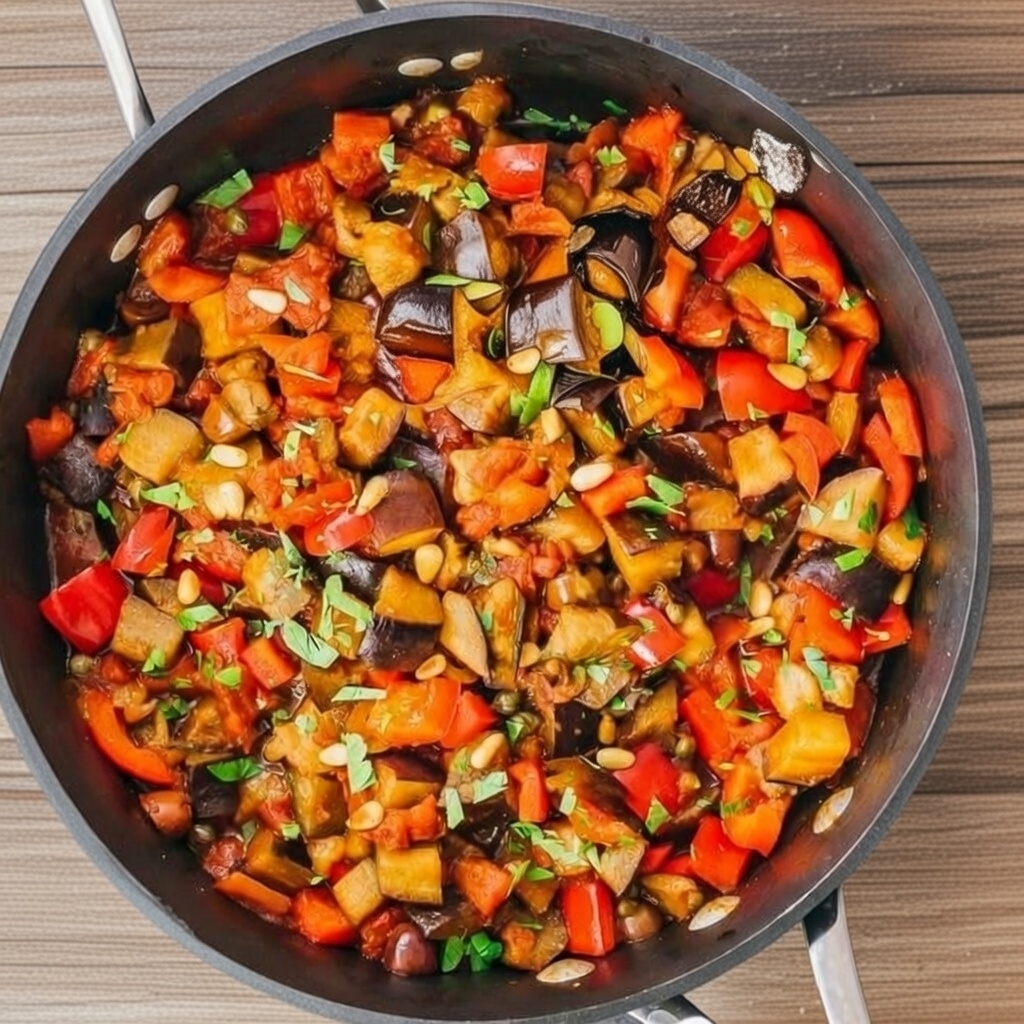
How To Cook Eggplant Caponata Recipe: Sicily in One Pan
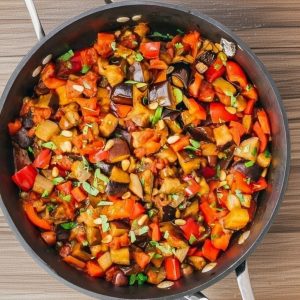
Eggplant caponata is one of Sicily’s most loved traditional dishes. It’s usually served alongside bread, sometimes near rice balls, and enjoyed as an appetizer, side dish, or light snack. This classic Eggplant Caponata recipe is packed with bold flavors and comes together in one pan once the eggplant is cooked.
Instead of buying caponata from a can loaded with preservatives, this version shows how easy it is to make fresh caponata at home using simple ingredients and traditional techniques.
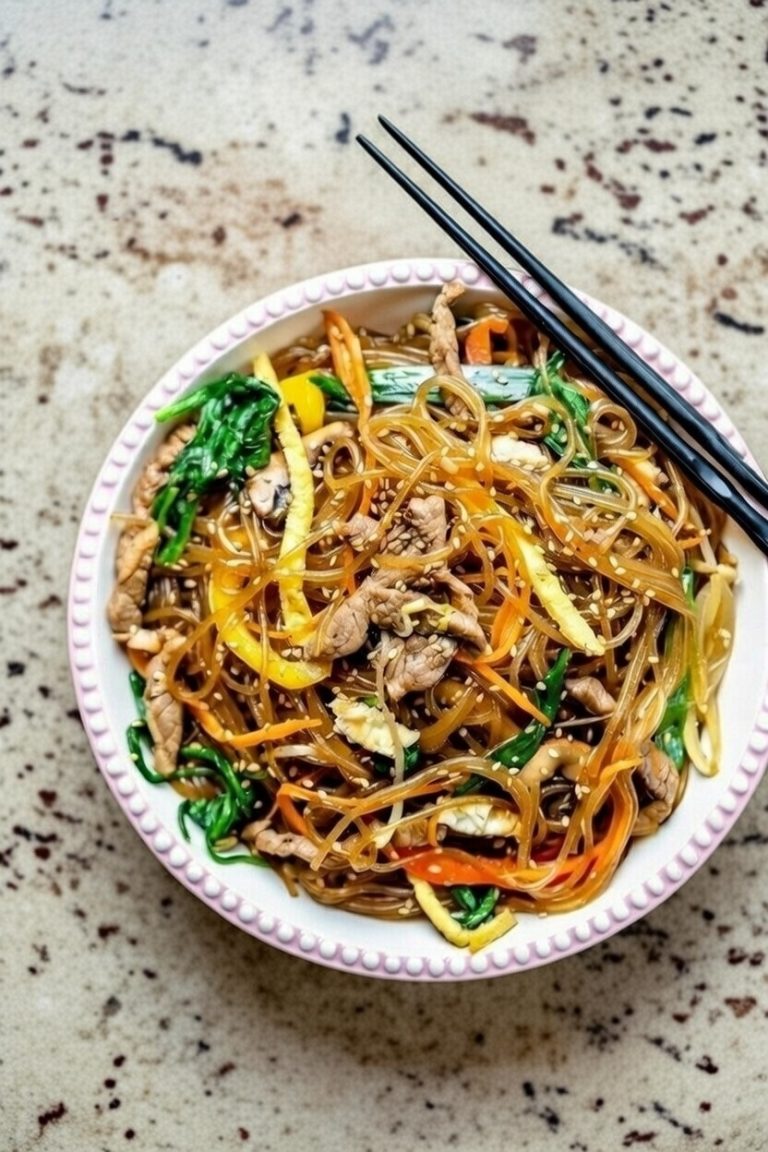
🟢 You may also love our Japchae (Korean Glass Noodles) recipe.
Preparing and Cutting the Eggplant
Start with fresh eggplants. To cut them evenly, first slice off the top of the eggplant. Make long slits down each side, then flip it over and repeat on the other side. This technique allows you to control the cube size and results in evenly cut pieces.
Once the slits are done, slice across the eggplant to create perfectly cubed pieces. When finished, all the eggplant should be evenly chopped and ready for frying.
Frying the Eggplant for Maximum Flavor
Heat sunflower oil in a pan and fry the eggplant in small batches. Sunflower oil is used because it has a very neutral flavor, allowing the eggplant to shine without adding any unwanted taste.
Eggplant absorbs oil heavily at first, but once it turns golden and crispy, it releases some of that oil back into the pan. Fry until the pieces are golden and crispy, then transfer them to a paper towel to drain excess oil.
Although baking is an option, frying is preferred here because it gives the eggplant a much deeper and richer flavor. Repeat this process until all the eggplant is cooked.
🟢 Try our homemade Crispy Chicken Flautas for a fresh, flavorful option.
Building the Caponata Base
In a large pan, heat a generous amount of olive oil. Add finely chopped onion and celery, then sauté until soft.
Once softened, stir in about two tablespoons of tomato paste. Let it cook for a minute or two. This step is important because the small pieces of onion and celery absorb the tomato paste, creating a deeply flavorful base throughout the dish.
Next, add sliced cherry tomatoes, green olives (some sliced and some left whole), and capers. Mix everything together and allow the tomatoes to start softening.
Do not add salt at this stage, as olives and capers are naturally salty. Seasoning will be adjusted later.
🟢 Pair this dish with our Creamy Baked Mac and Cheese for a complete meal.
Creating the Sicilian Sweet and Sour Flavor
Once the tomatoes begin to break down, add a splash of white wine vinegar along with a small amount of sugar. This combination creates the classic Sicilian agrodolce flavor, balancing sweet and sour notes.
Let the mixture simmer for a few minutes so the vinegar and sugar fully blend with the tomatoes and vegetables, bringing all the flavors together.
Add the fried eggplant to the pan and gently mix. The eggplant will soak up the sauce, combining the saltiness of the olives and capers with the sweet and sour base.
Finishing, Resting, and Serving
Let the caponata cook for another minute or two, then turn off the heat. Season with salt and black pepper to taste and finish with fresh basil to brighten the dish.
Allow the caponata to cool for about 15 to 20 minutes. While it can be eaten hot or at room temperature, it tastes best when served cold.
Serve eggplant caponata with fresh bread for dipping. It keeps well in the refrigerator for several days and often tastes even better the next day as the flavors continue to develop.
More Recipes To Explore
Seaweed & Beancurd Salad
Marinated Chicken Gizzard
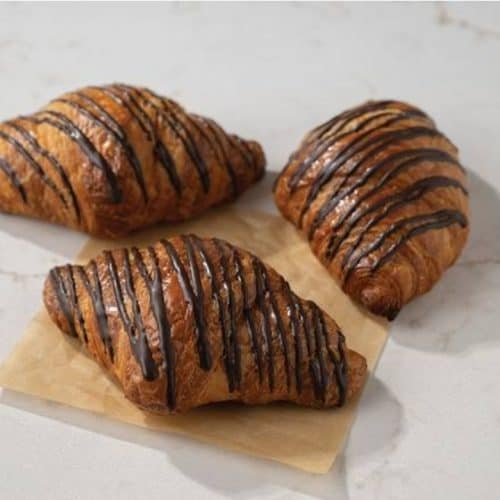
Chocolate Croissant
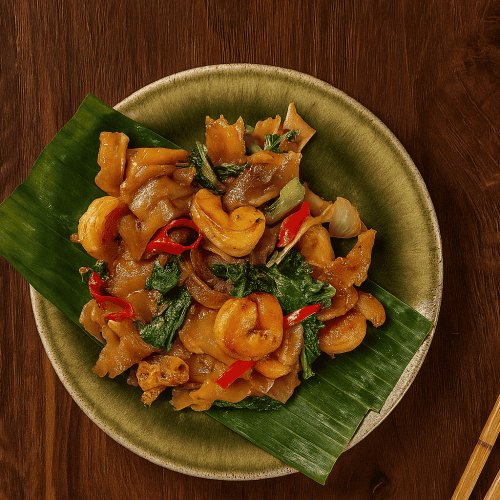
Pad See Ew with Shrimps
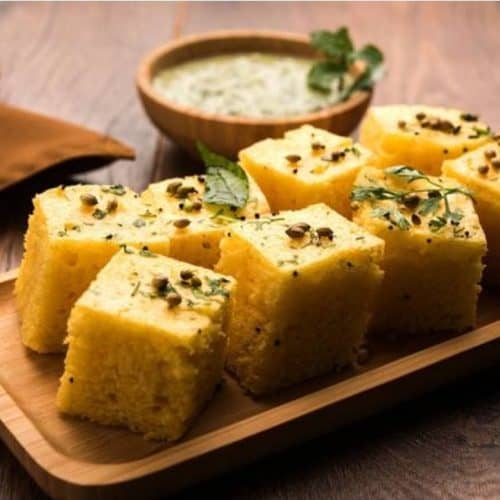
Besan Dhokla
Butter Chicken (Murgh Makhani)
Eggplant Caponata
This easy Eggplant Caponata Recipe is a classic Sicilian one-pan Italian dish made with fried eggplant, tomatoes, olives, capers, and a sweet-and-sour agrodolce sauce. Rich, tangy, and deeply flavorful, it’s perfect served cold or at room temperature with crusty bread.
Rate This Recipe
Turn On Cooking Mode 💡
Equipment
Ingredients
- 2 large eggplants cut into medium cubes
- 1/2 cup sunflower oil for frying eggplant
- 3 tbsp olive oil extra virgin preferred
- 1 medium onion finely diced
- 2 stalks celery finely diced
- 2 tbsp tomato paste
- 1 cup cherry tomatoes halved
- 1/3 cup green olives pitted, some sliced
- 2 tbsp capers rinsed
- 3 tbsp white wine vinegar
- 1 tbsp sugar
- 1/2 tsp salt adjust to taste
- 1/2 tsp black pepper freshly ground
- 1/4 cup fresh basil roughly chopped
Instructions
- Cube the Eggplant: Cut off the top of each eggplant. Slice vertical slits lengthwise, then turn and slice crosswise to create evenly sized cubes. Keeping the cubes uniform ensures even frying and better texture.
- Fry the Eggplant: Heat sunflower oil in a large frying pan over medium-high heat. Fry eggplant cubes in small batches, avoiding overcrowding. Cook until golden and crispy on all sides, about 6–8 minutes per batch. Transfer to paper towels to drain excess oil.
- Sauté Onion and Celery: In a separate large skillet, heat olive oil over medium heat. Add diced onion and celery. Sauté gently until soft and translucent, about 5–7 minutes, without browning.
- Build the Tomato Base: Add tomato paste to the pan with onions and celery. Stir continuously and cook for 1–2 minutes to deepen the flavor and evenly coat the vegetables.
- Add Tomatoes, Olives, and Capers: Stir in cherry tomatoes, olives, and capers. Cook for 3–4 minutes until the tomatoes begin to soften and release their juices.
- Create the Agrodolce: Pour in white wine vinegar and sprinkle in the sugar. Stir well and let the mixture simmer for 2–3 minutes, allowing the sweet-and-sour flavors to balance.
- Combine Eggplant: Gently fold the fried eggplant into the sauce. Stir carefully so the eggplant absorbs the flavors without breaking apart. Cook for another 2–3 minutes.
- Season and Finish: Turn off the heat. Season with salt and black pepper to taste, then add fresh basil. Mix gently to combine.
- Cool Before Serving: Allow the caponata to cool for at least 15–20 minutes. This resting time enhances flavor. Serve cold or at room temperature with crusty bread.
Notes
🔹 Caponata tastes even better the next day after flavors meld.
🔹 Store leftovers in an airtight container in the fridge for up to 4 days.
🔹 Traditionally served as an appetizer with bread or alongside Italian meals.
🔹 Store leftovers in an airtight container in the fridge for up to 4 days.
🔹 Traditionally served as an appetizer with bread or alongside Italian meals.
Nutrition
Calories: 240kcalCarbohydrates: 22gProtein: 4gFat: 17gSaturated Fat: 2gSodium: 520mgPotassium: 480mgFiber: 6gSugar: 8gVitamin A: 6IUVitamin C: 18mgCalcium: 4mgIron: 8mg
Tried this recipe? how it was!